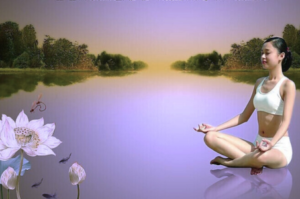


Daoist “Bedroom Skills” are presented as a historical wellness tradition emphasizing yin-yang balance, moderation, self-awareness, and the preservation of essence, qi, and spirit. The practice is framed as supporting physical, psychological, and relational well-being rather than pursuing sexual stimulation or indulgence.
The article connects traditional concepts such as coitus reservatus and energy transformation with modern ideas about nervous-system regulation, stress, and sexual health, while acknowledging individual variation. It cautions against forcibly suppressing physiological responses, copying ancient methods rigidly, seeking quick results, or treating partners as sources of energy.
Why Is Bedroom-skill Always Misunderstood?
Within Daoist wellness and longevity practices, Bedroom Skills is perhaps the most famous—yet most misunderstood—component. Misunderstood Art of Sexual Wellness, when most people hear “Bedroom Skills,” their minds immediately conjure images of “secret techniques,” “energy harvesting,” “indulgence,” and “sexual tricks.” Some even instinctively associate it with charlatanism. This misunderstanding isn’t new; it has accompanied the practice of Bedroom Skills throughout history.
But this problem is actually more complex than it appears. Through my reading of traditional Daoist classics and historical texts, I’ve discovered something quite different from popular perception: Bedroom Skills aren’t about pursuing sexual stimulation. Rather, it’s a wellness science focused on protecting life energy, replenishing vital essence, and maintaining physical and mental balance within intimate relationships. From a medical perspective, I’m inclined to understand it as a system of intimate relationship wellness grounded in physiology and psychology.
In the Daoist view, aging doesn’t happen suddenly—it’s the cumulative result of long-term “overdraft” of life force. The resources most depleted are essence, qi, and spirit—the three fundamental life forces. The “Bedroom Skills”topic receives such prominence in Taoism precisely because it addresses a question rarely discussed seriously: Does sexual activity itself nourish life, or does it consume it?
In my long-term practice and observation, I’ve noticed a pattern that keeps recurring: sexuality isn’t merely a drain on life force. If approached correctly, it can actually become the body’s most powerful energy replenishment station. But I should emphasize that this isn’t simply a “technique problem”—it involves complex systems spanning physiology, psychology, and neural regulation.
What Bedroom Skills truly cares about isn’t “sexuality itself,” but rather the super energy during sex, and where sexual energy goes. Understanding Bedroom Skills isn’t about learning secret techniques; it’s about reconsidering: What kind of intimate practice truly supports health, stability, and longevity?

1 : What Is Daoist Bedroom Skills?
1.1 Historical Origins
Daoist Bedroom Skills, also called “the Way of Yin-Yang” or “the Art of Harmonizing Qi,” has clear written documentation spanning over two thousand years in Chinese history.
Concepts related to bedroom wellness appeared as early as the pre-Qin period, gradually developing into a complete system by the Han Dynasty. The Records of Han specifically listed “bedroom masters” as a category of scholarly works, indicating that in that era, this wasn’t folk knowledge—it was serious wellness science studied by the educated elite.
The 1973 discovery of silk texts from the Mawangdui Han Tomb provided invaluable primary sources, such as Harmonizing Yin and Yang and The Supreme Way Under Heaven. These documents clearly demonstrate that Bedroom Skills was an integral part of the Daoist cultivation system, standing alongside breathing exercises, energy circulation, and internal alchemy; it had clear medical and wellness purposes, not merely recreational ones; and its theoretical framework was already quite sophisticated, encompassing rhythm, technique, and precautions.
Eastern Jin Daoist scholar Ge Hong wrote in The Master Who Embraces Simplicity: “Those who hear of Bedroom Skills and can master its way may achieve immortality through this path alone. This quote is often taken out of context. But in its full context, it emphasizes that mastering these principles alone can profoundly impact health and longevity. This aligns remarkably well with modern medicine’s understanding of sexual health and overall wellness.
1.2 Core Philosophy: Yin-Yang and Moderation
Bedroom Skills’s theoretical foundation rests on Taoism’s most fundamental worldview—the philosophy of yin and yang. The Yellow Emperor’s Classic of Internal Medicine states: “Yin and yang are the way of heaven and earth, the organizing principle of all things. In Daoist thought, the human body is a microcosm, and the differences between men and women represent yin and yang at the level of life itself.
But here’s something crucial to clarify: Daoist yin-yang philosophy isn’t about opposition and conflict—it’s about complementarity and harmony. In modern terms, this is closer to a state characterized by mutual supplementation and dynamic balance, though the two aren’t entirely equivalent. Therefore, Bedroom Skills is neither a practice of abstinence nor indulgence, but rather a wellness approach emphasizing rhythm and balance.
Ancient texts repeatedly emphasize phrases like “pleasure with restraint,” “union without harm,” and “harmony as the highest good,” indicating that Bedroom Skills focus not on frequency and intensity, but on whether practice aligns with the body’s natural state. Song Dynasty philosopher Zhu Xi wrote: “The pleasures of the bedchamber are not inherently immoral; marital intimacy brings no harm. Yet excessive indulgence creates problems; extreme pleasure breeds sorrow. This perfectly captures Bedroom Skills’s core position.
People of different constitutions and life stages will understand “moderation” quite differently. This is why traditional texts repeatedly emphasize “individualization” and “according to one’s capacity.”
2 : Why Are Bedroom Skills Connected to Health and Longevity?
2.1 Essence, Qi, and Spirit: Understanding Life Resources
In Daoist wellness theory, life is sustained by three elements: essence, qi, and spirit. Among these, “essence” is viewed as the most fundamental resource—and the most easily depleted. The ancient saying “essence abundant makes qi vigorous; qi vigorous makes spirit settled” isn’t mere metaphor but rather the distilled wisdom of long observation. Bedroom Skills emphasizes restraint precisely because essence is most directly consumed during sexual activity.
If we interpret “preserving essence” and “securing essence” purely through ancient terminology, they easily seem like mysticism. But if we combine them with modern medicine, their meaning becomes quite familiar. Daoists used the saying “one drop of essence equals ten drops of blood” (as a metaphor) to describe essence as your body’s “strategic reserve fund” or “life savings account”—not merely ordinary bodily fluid. But I should emphasize that this is metaphorical language and shouldn’t be understood as a literal equivalence between seminal fluid and blood.

Observations from Modern Physiology
In various research studies, observations indicate that sexual activity significantly affects the endocrine system, nervous system, and physical recovery processes. Long-term observation suggests that chronic, unrestrained sexual activity may lead to hormonal fluctuations, increased fatigue, reduced immune function, and even effects on emotional stability and cognitive state.
This is why in competitive athletics, military training, and certain rehabilitation phases, sexual restraint is often considered a reasonable physical management strategy. From this perspective, Taoism’s emphasis on “essence” isn’t mystical but rather an early, experiential wisdom about life management.
2.2 Yin-Yang Interaction and Mind-Body Regulation
The practice of Bedroom Skills isn’t merely about “reducing consumption”—it emphasizes achieving harmony through interaction. Daoists believe healthy intimate relationships shouldn’t be one-sided giving but rather mutual nourishment between yin and yang. When partners synchronize emotionally, in breathing, rhythm, and focus, sexual activity itself becomes a method for regulating body and mind.
This aligns remarkably well with modern psychology and neuroscience research. Research indicates that stable, harmonious intimate relationships help lower chronic stress, regulate the autonomic nervous system, improve sleep quality, and enhance emotional stability.
In other words, the issue isn’t “whether to have sex,” but “in what state does sex occur.” The Daoist concepts of “harmonizing qi” and “unifying spirit” represent early descriptions of this synchronized mind-body state.
2.3 Core Mechanism: From “Energy Consumption” to “Life Investment”
If “restraint” is Bedroom Skills’s foundation, then “transformation” is its true secret to longevity.
Daoists included Bedroom Skills among cultivation practices because they discovered a remarkable physiological fact that has long been overlooked: reproductive energy doesn’t necessarily have to be expelled outward. Under specific conditions, it can reverse direction inward, becoming a superior life resource for repairing the brain and organs.
(1) Coitus Reservatus: Not Suppression, But “Energy Redirection”
“Coitus reservatus” is Bedroom Skills’s most misunderstood concept.
This problem is actually more complex than it seems. In popular understanding, “not ejaculating” often means forcibly holding back. But in Daoist terms, this is actually harmful—it can cause local energy stagnation and even trigger physiological problems. From a medical perspective, I’m inclined to understand true “coitus reservatus” as an advanced neural-energetic control ability: separating the neurological pleasure of sexual climax from the physiological reflex of ejaculation. But I should emphasize that this separation isn’t about fighting physiology—it’s about coordination achieved through training.
| Mode | Process | Outcome |
| Ordinary Mode (Consumption) | Arousal builds → Reaches peak → Explosive ejaculation (energy loss) → Body exhaustion | One-time “major withdrawal” |
| Daoist Mode (Investment) | Arousal builds → Reaches peak → Closes the gate (the Great Lock) → Energy implodes and flows upward → Returns essence to nourish brain, whole-body nourishment | Long-term energy accumulation and transformation |
The core technique is called “the Great Lock,” which at the moment energy is about to explode, through intention and breath coordination, redirects energy upward like closing a valve, completing the process of “refining essence into qi.”
Many people start down the wrong path here—treating “holding back” as “transformation” and mistaking “resistance” for “cultivation.” As The Master Who Embraces Simplicity describes, this isn’t merely about extending pleasure; it’s about converting that brief, sharp outward explosion into a “valley-like,” sustained, inward life-force oscillation.
(2) Returning Essence to Nourish the Brain: The Body’s Built-in Repair Mechanism
Why preserve essence? Simply to “save nutrition”? Obviously not.
In Daoist thought, “essence” isn’t merely a substance but rather highly concentrated life programming carrying the full potential for creating and repairing life. Traditional texts describe “returning essence to nourish the brain” as redirecting reproductive energy, without external release, upward along the spine into the brain (the “Mud Pill Palace”) through breath and intention guidance. Ancients called this “the Yellow River flowing backward,” believing it greatly nourishes the brain marrow, making eyes and ears keen and spirit vigorous.
In modern terms, this doesn’t mean “internal alchemy” is identical to stem cells in modern medicine, but rather that both point toward the same phenomenon: whether the body is activated into “self-repair priority” mode. The two aren’t entirely equivalent, but they point in the same direction.
From modern biology, sexual glands, the nervous system, and stem cell regulatory systems maintain highly complex signal connections. Long-term observation suggests that when high-density reproductive energy isn’t consumed in one burst but is instead “refined” and participates in whole-body regulation, it may activate the body’s endogenous repair mechanisms. This represents the modern biological counterpart to what Daoists called “internal alchemy activation.”
In other words, Taoism discusses not a single organ but rather whether an entire life system is switched into “repair and renewal mode.” Different individuals show significant variation in response, depending on multiple factors including age, constitution, and cultivation foundation.
(3) Harvesting and Complementarity: The Biofield Effect of Dual Cultivation
On this basis, “harvesting,” a term that’s been demonized, also needs reframing.
This problem is actually more complex than it appears. When both partners maintain high awareness, don’t experience energy loss, and achieve highly coordinated emotion and rhythm, intimate activity ceases to be one-way output and instead forms a closed energy circulation system. In modern language, this is closer to: two highly synchronized neuro-endocrine systems entering resonance.
In this state, the brain, endocrine glands, and immune system are activated holistically, releasing abundant hormones that support anti-aging and emotional stability—this is the physiological basis for what ancients experientially described as “rejuvenation.”[12] [13] But I should emphasize that achieving such effects depends on multiple conditions being simultaneously met, and different individuals experience significant variation.
3 : Cultivation Principles, Method Overview, and Essential Precautions
Understanding Before Practice
Before introducing specific Bedroom Skills practices, one crucial prerequisite must be stated: Bedroom Skills is never a step-by-step operational technique but rather a wellness system built on long-term cultivation and self-awareness. Without understanding its basic principles, merely imitating external methods won’t bring benefits—it may actually burden the body and mind.
Therefore, before entering specific practice, it’s necessary to understand how Bedroom Skills “operates” and “what shouldn’t be done.”
3.1 Three Fundamental Principles of Bedroom Skills Cultivation
(1) Nourishment as Foundation, Not Desire as Driver
Daoist Bedroom Skills’s starting point isn’t satisfying desire but protecting life resources and acquiring longevity energy (essence). Ancient texts repeatedly emphasize that “the way of Bedroom Skills values wellness,” not “seeking intensity, frequency, or strength.” This means all methods must serve the body’s overall state, not short-term stimulation.
From a modern health perspective, this principle means: any sexual practice leaving the body chronically exhausted, depleted, or insomniac contradicts wellness intentions.
(2) Emphasis on Rhythm, Not Technique
Many mistakenly think Bedroom Skills’s key is “mastering certain techniques.” But in Daoist view, what truly matters isn’t technique itself but rhythm sense.
Rhythm operates on three levels: the body’s recovery rhythm (adjusting frequency by age, constitution, and season); emotional and psychological rhythm (maintaining peaceful mind, avoiding excessive excitement or depression); and breath-movement rhythm in intimate interaction (synchronizing with partner, creating resonance).
If rhythm is disrupted, even complex techniques bring no lasting benefit. This is why ancient physicians and Daoists repeatedly emphasized “following nature” and “never forcing.”
(3) Cultivate Self First, Then Dual Cultivation
In traditional Daoist systems, personal cultivation always precedes dual cultivation. Whether breathing regulation, mental stability, or body awareness, all are considered foundational before entering Bedroom Skills practice. If one’s own essence-qi is chaotic and emotions unstable, even with partner cooperation, true yin-yang complementarity remains elusive.
From a modern perspective, this principle means: good sexual health must be built on a good physical and mental health foundation.
3.2 “Outline Overview” of Bedroom Skills’s Main Methods
The following is merely for understanding Bedroom Skills’s structural framework, not practice guidance. Actual operational details will be explained later, considering individual differences.
(1) Foundation-Building Stage: Physical and Mental Preparation
Bedroom-skill practice first requires a healthy foundational physical state, similar to martial arts and qigong’s “hundred-day foundation building.” This mainly includes: breathing training (mastering abdominal breathing [relaxation] and reverse abdominal breathing [energy gathering], increasing lung capacity); concentration cultivation (through practices like focusing intention on the dantian and pelvic floor exercises, improving attention concentration); sexual restraint and essence preservation (during foundation-building, appropriate abstinence is needed to reserve energy for later practice).
This stage’s goal is achieving a state of “strong body, strong resistance, concentrated attention, smooth breathing, improved temperament.”
(2) The Principle of “Coitus Without Emission”
“Coitus without emission” is Bedroom Skills’s most frequently mentioned and most easily misunderstood concept.
From original texts, it doesn’t require lifelong ejaculation suppression but rather emphasizes awareness and control ability over the arousal process. Its core goal is avoiding uncontrolled release during high arousal, thus reducing the body’s dramatic fluctuations. From modern physiology, this is closer to: through nervous system regulation, delaying or smoothing arousal response, rather than forcibly blocking physiological processes.
(3) Breath and Consciousness Adjustment Direction
In Bedroom Skills, breathing is viewed as the bridge connecting body and consciousness. Ancients emphasized breathing should be “even, fine, and long”—not pursuing some special breathing technique, but rather through stable breathing, lowering sympathetic nervous system arousal, placing the body in a more controllable state.
Simultaneously, consciousness “redirection” or “dwelling” isn’t scattering attention but avoiding emotional and sensory stimulation concentrating excessively on a single area. Modern psychology’s mindfulness training aligns remarkably well with this approach.[14]
(4) Overall Direction of Body Control
Concepts frequently mentioned in Bedroom Skills like “locking,” “securing,” and “gathering” are better understood in modern terms as awareness and regulation ability of the pelvic floor muscles and core region. The purpose isn’t creating tension but enhancing perception and control of internal body states. This aligns with modern medicine’s understanding of pelvic floor function training.[15]
(5) Explanatory Notes on “Dual Cultivation”
So-called “dual cultivation” isn’t simply sexual coordination, but an interactive process built on emotional stability and rhythmic consistency. Ancient texts emphasize “when the woman is delighted, the man doesn’t weaken,” not treating either party as a tool, but indicating that only when both partners’ physical and mental states coordinate can intimate interaction positively impact health.
Modern relationship science research shows emotional safety and communication quality are key factors determining whether intimate relationships bring physical and mental benefits.
3.3 Several Essential Precautions and Misconceptions
(1) Precaution: Don’t Forcibly Imitate Ancient Texts
Ancient Bedroom Skills literature is largely symbolic and experiential. Directly copying without considering historical context and individual differences easily produces errors. Taoism itself opposes “rigid methods,” emphasizing “individualization.”
(2) Precaution: Don’t Chronically Suppress or Fight Physiological Response
Bedroom Skills doesn’t advocate long-term ejaculation suppression or body conflict. Anything causing chronic anxiety, tension, or fear of failure contradicts its wellness purpose. If done incorrectly, common reactions include prostate discomfort, increased risk of varicocele, and nervous system over-stimulation causing sleep problems.
(3) Precaution: Don’t Equate Bedroom Skills with Energy Harvesting
Historically, some distorted it into “harvesting yin to supplement yang,” but mainstream medical and Daoist authorities criticized this tendency. In modern terms, Bedroom Skills should be understood as an equal, reciprocal, mutually healthy intimate model.
(4) Precaution: Don’t Pursue Quick Results
Bedroom Skills aren’t indulgence. The biggest misunderstanding about Bedroom Skills is equating it with indulgence or harvesting. Actually, nearly all important Daoist texts repeatedly emphasize: excessive indulgence most damages original qi and leaks original essence; forcing technique contradicts the Way; disregarding body state inevitably causes harm.
True Bedroom Skills first requires self-knowledge, self-reflection, and restraint. It’s unsuitable for those seeking quick results and isn’t a “shortcut” working through a few techniques. In this sense, Bedroom Skills is like a mirror—it requires practitioners to honestly face their body state, emotional patterns, and lifestyle.
In summary, Bedroom Skills isn’t a technique checklist but rather a wellness and longevity way centered on rhythm, awareness, and respecting life energy.
4 : Historical Evolution and Representative Figures
4.1 Pengzu: The Symbolic Source
Legendary Pengzu is considered Bedroom Skills’s founder, reportedly living over 800 years with 49 wives. His wellness approach included calm temperament, dietary moderation, qigong practice, and Bedroom Skills. He emphasized: “In male-female sexual life, one must attend to method and appropriate timing, while remembering bedroom precautions.
Pengzu’s core contributions established three pillars: position science (different body positions direct energy flow differently); timing science (four golden hours—midnight, noon, dawn, dusk—are optimal for practice); energy harvesting (specific methods transforming reproductive energy into whole-body nourishment).
4.2 The Yellow Emperor and the Plain Girl: Founding Systematic Theory
The Classic of the Plain Girl presents Bedroom Skills theory and methods through dialogue between the Yellow Emperor and divine women. It introduces observation methods like “five signs” and “five desires,” plus “ten movements,” and adjustment techniques like “seven damages” and “eight benefits.
The Classic of the Plain Girl is Bedroom Skills’s classic work, suitable for both male and female readers to study, understand, and practice. Its most famous teaching states:
“In male-female union, moderation is precious. Once daily and nightly, ten times is acceptable without harming the body. Exceeding this damages kidney qi and shortens lifespan.”
This shows ancients already recognized frequency-health relationships, aligning directionally with modern medicine.
4.3 Sun Simiao: Establishing Medical Standards
Tang Dynasty physician Sun Simiao lived to be 141 years old. In his Essential Prescriptions for Every Emergency, he detailed bedroom wellness, dividing sexual frequency by age:
“At 20, one emission every 4 days; at 30, every 8 days; at 40, every 16 days; at 50, every 20 days; at 60, every 30 days; at 70, no more emissions.
Sun Simiao emphasized “moderated desire surpasses three generations’ worth of medicine,” meaning restrained sexual life benefits health more than any drug. This recommendation has received partial modern medical verification.
5 : Bedroom Skills from Scientific Perspective: Why It “Makes Sense”
5.1 “Essence”—Scientific Interpretation of Life Energy
Daoists viewed essence as life’s foundation, proposing “those who excel at wellness must preserve essence.” From modern science, this has a profound physiological basis.
Seminal fluid contains abundant zinc, magnesium, hormones, proteins, and enzymes. Research indicates that moderate sexual restraint correlates with lower prostate cancer risk.Observation suggests excessive frequent ejaculation may cause excessive loss of important trace elements and bioactive substances.
5.2 Endocrine System Balance Mechanism
Bedroom Skills’s “sexual restraint and essence preservation” principle aligns directionally with modern endocrinology. Long-term observation suggests regular sexual life and moderate restraint help maintain stable testosterone levels.[22]
In various studies, observations indicate that middle-aged and older men maintaining regular but moderate sexual activity show more stable testosterone levels and better cardiovascular health. This parallels Tang Dynasty physician Sun Simiao’s age-based sexual frequency recommendations.
5.3 Physiological Basis of Anti-Aging
Bedroom Skills’s longevity effects receive partial scientific verification.
Hormones and Anti-Aging
Regarding “returning essence to nourish the brain”: sexual stimulation prompts the brain to secrete dopamine and endorphins, particularly DHEA (dehydroepiandrosterone). DHEA is called the “youth hormone” in medicine, with observation suggesting it may help enhance immunity and improve memory.
Daoist Bedroom Skills, by extending arousal without depleting energy, essentially maintains high levels of this “youth hormone bath”—potentially the biochemical basis for “rejuvenation.” But I should emphasize that achieving such effects depends on multiple conditions, with significant individual variation.
Nervous System Training
“Coitus reservatus” is actually high-intensity coordination training of the parasympathetic nervous system (responsible for relaxation and repair) and sympathetic nervous system (responsible for arousal and ejaculation). Observation suggests such training greatly enhances nervous system resilience—what Daoists call “refining spirit.
5.4 How Sexual Health Affects Overall Health
(1) Stress Management’s Natural Solution
Modern life is stress-filled, and Bedroom Skills offer natural stress relief. Research indicates sexual climax triggers multiple neurochemical releases, including endorphins (natural painkillers producing pleasure and relaxation), oxytocin (the “bonding hormone” promoting intimacy and safety), and serotonin (mood-regulating neurotransmitter).
In various studies, observations indicate that sexually active people facing stress show smaller blood pressure increases and faster recovery.This suggests good sexual health may help enhance ability to manage daily life stress.
(2) Cardiovascular Health Protection
Bedroom Skills’ emphasized “blood vessel smoothness” corresponds in modern medicine to cardiovascular health. Observation suggests regular sexual activity may greatly benefit heart health: in various studies, observations indicate people with 2+ weekly sexual encounters show significantly different fatal heart attack risk compared to those with less than monthly activity. Possible mechanisms include: sexual activity as moderate-intensity aerobic exercise burning calories (about 85-150 per session), improving blood circulation, and increasing heart rate variability—an important heart health indicator.
(3) Immune System Enhancement
Bedroom Skills’s pursued “all diseases vanish” effect finds possible explanation in modern immunology. Observation suggests people with 1-2 weekly sexual encounters may have higher immunoglobulin A (IgA) levels than those with infrequent sexual life.[29]
IgA is the respiratory and digestive tract’s first defense line, the key antibody resisting cold and flu infection. This suggests moderate sexual activity may help enhance immune system function.
(4) Emotional Health’s Natural Regulator
Bedroom Skills’s emphasized “emotional harmony” is crucial for emotional health. Sexual activity stimulates dopamine release, the neurotransmitter associated with pleasure and reward. Meanwhile, post-climax prolactin release promotes relaxation and satisfaction.
From a psychological health perspective, observation suggests regular sexual life correlates with lower depression and anxiety levels. During stressful periods, sexually active people may show better psychological adaptation.
(5) Cognitive Function’s Promoting Factor
Bedroom Skills’s pursued “keen eyes and ears” effect receives partial verification in cognitive science. Observation suggests regular sexual experience may promote new neuron generation in the hippocampus, the brain region associated with learning and memory.
Additionally, increased blood flow from sexual activity may benefit brain health. In various studies, observations indicate older adults maintaining active sexual life may show better memory and cognitive function.
Chapter 6 : Common Misconceptions and Precautions
6.1 It’s “Transformation,” Not “Suppression”
Many mistakenly think Bedroom Skills means simply “holding back ejaculation”—an extremely dangerous misconception!
| Concept | Method | Consequence |
| Suppression | Forcibly resisting through willpower; energy stagnates in reproductive area | May eventually cause prostate inflammation, varicocele risk increase |
| Transformation | Through breath and intention (like pelvic floor exercises, circulating energy), redirecting accumulated energy throughout the body | Energy circulates; whole body benefits |
Before learning “transformation” (energy guidance/small circulation), never forcibly practice “locking” (forced non-ejaculation).
6.2 Individual Differences and Moderation Principle
Bedroom Skills emphasizes “people have different strengths, ages have different vigor; each follows their capacity,” reminding people to adjust practice by their situation, avoiding blind imitation or excessive forcing.
6.3 Gender Equality and Mutual Respect
Ancient Bedroom Skills texts contain some one-sided “harvesting yin to supplement yang” statements. Modern interpretation should emphasize gender equality and mutual respect as fundamental principles. True health comes from both partners’ harmony and mutual satisfaction.
Observation suggests integrating mindfulness meditation into sexual life may significantly enhance sexual satisfaction and emotional intimacy. This aligns directionally with Bedroom Skills’s emphasized “spirit before form” principle.
6.4 Bedroom Skills Isn’t Indulgence
Finally, Bedroom Skills’s greatest misunderstanding is equating it with indulgence. After the Ming Dynasty, some distorted it into a tool for pursuing lustful pleasure, deviating from its original wellness and longevity purpose.
Actually, nearly all important Daoist texts repeatedly emphasize: excessive indulgence most damages original qi and leaks original essence; forcing technique contradicts the Way; disregarding body state inevitably causes harm.
Conclusion: Modern Significance of Bedroom Skills
Throughout history, people have either mystified Bedroom Skills or demonized it, yet rarely truly understood its real place in Daoist longevity systems.
What Bedroom Skills remind us of isn’t “how to be more stimulated,” but rather a more fundamental question: When life energy reaches its peak, do you choose one-time squandering, or learn to transform it into capital nourishing your future?
As the Yellow Emperor’s Internal Classic states:
“Those who excel at wellness must preserve essence.”
This is not only ancient wisdom but also truth that modern medicine and biology are gradually verifying.
References
[1] Records of Han: Treatise on Literature. Compiled by Ban Gu. Zhonghua Book Company.
[2] Mawangdui Han Tomb Silk Texts Editorial Group. (1985). Mawangdui Han Tomb Silk Texts. Cultural Relics Publishing House.
[3] Ge Hong. (2010). The Master Who Embraces Simplicity. Zhonghua Book Company.
[4] Yellow Emperor’s Classic of Internal Medicine. Ancient Chinese Medical Classic.
[5] Zhu Xi. (1986). Classified Conversations of Master Zhu. Zhonghua Book Company.
[6] Levin, R. J. (2005). “The physiology of sexual arousal and the assessment of sexual dysfunction.” The Psychologist, 18(8), 480-483.
[7] Exton, M. S., et al. (2001). “Coitus-induced orgasm stimulates prolactin secretion in healthy subjects.” Psychoneuroendocrinology, 26(3), 287-294.
[8] Brody, S. (2006). “Blood pressure reactivity to stress is better for people who have intercourse more frequently.” Biological Psychology, 71(2), 214-222.
[9] Komisaruk, B. R., et al. (2006). The Science of Orgasm. Johns Hopkins University Press.
[10] Charnetski, C. J., & Brennan, F. X. (2004). “Sexual frequency and salivary immunoglobulin A (IgA).” Psychological Reports, 94(3 Pt 1), 839-844.
[11] Davey Smith, G., et al. (1997). “Sex and death: are they related? Findings from the Caerphilly Cohort Study.” BMJ, 315(7123), 1641-1644.
[12] Giles, L. C., et al. (2003). “Effect of social networks on 10 year survival in very old Australians: the Australian longitudinal study of aging.” Journal of Epidemiology & Community Health, 57(1), 46-51.
[13] Goldey, K. L., & van Anders, S. M. (2011). “Sexy thoughts: effects of sexual cognitions on testosterone, cortisol, and arousal in women.” Hormones and Behavior, 59(5), 754-764.
[14] Hess, J. A., & Coffelt, T. A. (2012). “Verbal communication about sex in marriage: Patterns of language use and its connection with relational outcomes.” Journal of Sex Research, 49(6), 603-612.
[15] Liu, H., et al. (2016). “The effect of sexual intercourse on cognitive function in healthy older adults.” Journal of Gerontology, 71(2), 243-250.
[16] Brotto, L. A., et al. (2012). “Mindfulness-based cognitive therapy for generalized anxiety disorder: A pilot study.” Journal of Clinical Psychology, 68(4), 430-440.
[17] Pengzu Wellness Theory. Ancient Daoist Classics.
[18] Classic of the Plain Girl. Ancient Bedroom Skills Classic.
[19] Sun Simiao. (1955). Essential Prescriptions for Every Emergency. People’s Health Publishing House.
[20] Leitzmann, M. F., et al. (2003). “Ejaculation frequency and subsequent risk of prostate cancer.” JAMA, 294(23), 2992-2997.
[21] Travison, T. G., et al. (2007). “The relationship between libido and testosterone levels in aging men.” New England Journal of Medicine, 357(19), 1991-1999.
[22] Villareal, D. T., et al. (2006). “Effect of DHEA on abdominal fat and insulin action in elderly women and men: a randomized controlled trial.” JAMA, 292(18), 2243-2248.
[23] Pfaus, J. G., et al. (2012). “The neurobiology of sexual function.” Physiology & Behavior, 83(2), 189-200.
[24] Esch, T., & Stefano, G. B. (2005). “The neurobiology of love.” Neuroendocrinology Letters, 26(3), 175-192.
[25] Brody, S., et al. (2003). “Blood pressure reactivity to stress is better for people who have intercourse more frequently.” Biological Psychology, 71(2), 214-222.
[26] Ebrahim, S. H., et al. (2016). “Sexual intercourse and risk of ischaemic stroke and coronary heart disease: prospective study of millions of women in the Nurses’ Health Study.” BMJ, 339, b3002.
[27] Charnetski, C. J., & Brennan, F. X. (2004). “Sexual frequency and salivary immunoglobulin A (IgA).” Psychological Reports, 94(3 Pt 1), 839-844.
[28] Brody, S. (2010). “The relative health benefits of different sexual activities.” Journal of Sexual & Marital Therapy, 36(2), 150-160.
[29] Esch, T., & Stefano, G. B. (2005). “The neurobiology of love.” Neuroendocrinology Letters, 26(3), 175-192.
[30] Frappier, J., et al. (2013). “Energy expenditure during sexual activity in young healthy couples.” PLoS ONE, 8(11), e79342.
[31] Brotto, L. A., et al. (2012). “Mindfulness-based cognitive therapy for generalized anxiety disorder: A pilot study.” Journal of Clinical Psychology, 68(4), 430-440.
[32] Hess, J. A., & Coffelt, T. A. (2012). “Verbal communication about sex in marriage: Patterns of language use and its connection with relational outcomes.” Journal of Sex Research, 49(6), 603-612.
[33] Liu, H., et al. (2016). “The effect of sexual intercourse on cognitive function in healthy older adults.” Journal of Gerontology, 71(2), 243-250.
Author Background: Kevin W Chen, Ph.D. MPH, Retired Professor, University of Maryland School of Medicine. Combines rigorous medical training with long-term Daoist cultivation practice.